
Find your next read
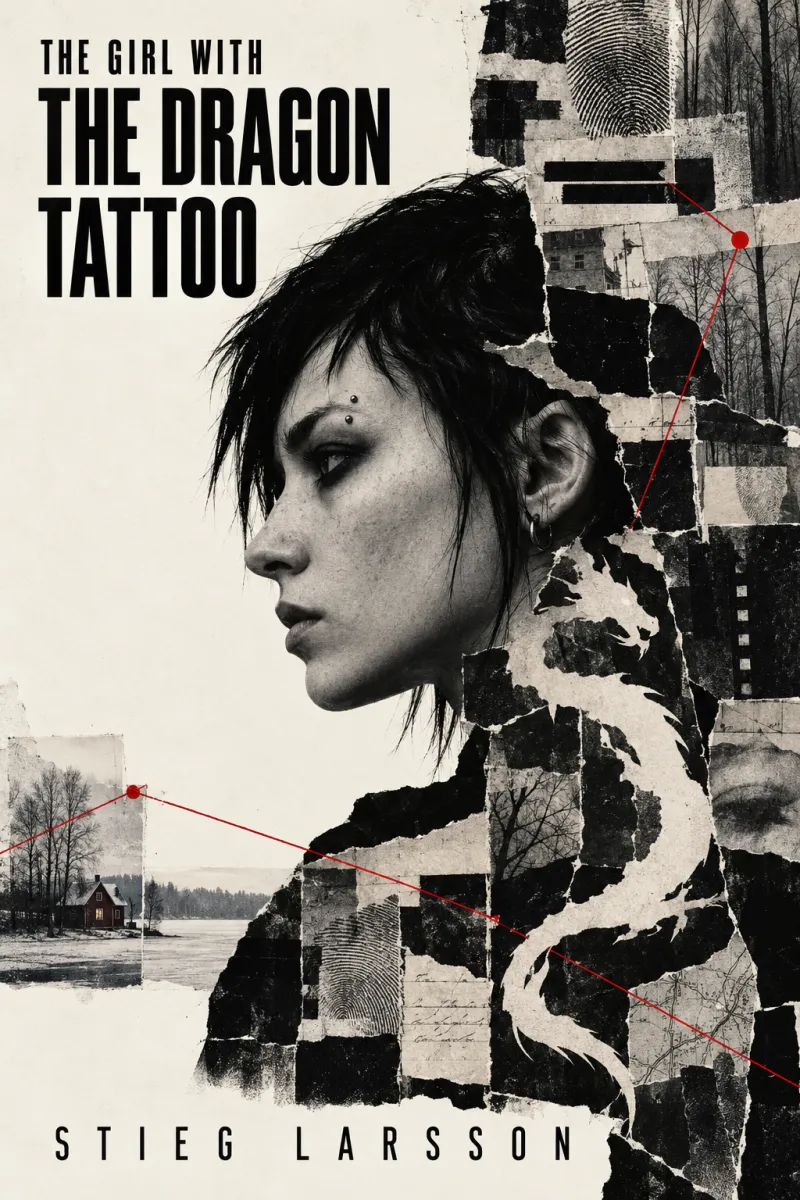
All reviews written by humansThe Girl with the Dragon Tattoo
Your rating:
★★★★★★★★★★
Synopsis · not our opinion
Stieg Larsson’s The Girl with the Dragon Tattoo is a gripping, darkly atmospheric crime thriller that dives deep into corporate corruption, family secrets, and systemic injustice. The story follows disgraced investigative journalist Mikael Blomkvist, who is hired by an aging industrialist to solve the decades-old disappearance of his grandniece from a secluded island. Joining forces with Lisbeth Salander, a fiercely intelligent yet deeply troubled hacker with a traumatic past, the unlikely pair uncovers a horrifying trail of murder and deceit hidden behind a wealthy dynasty's respectable facade. Tense, intricately plotted, and unflinching, this international bestseller is a masterclass in modern suspense and psychological drama.
Reviews (1) · our opinion
N
NikolaiNovember 4, 2026
I picked up this book a few years after watching the movie, and I read it in bits and pieces during a night shift out in the countryside, sitting by the window while the snow outside was waist-deep. Because of that, it wasn’t hard at all to imagine what it was like for Mikael Blomkvist when, having lost everything, he arrived from Stockholm in a small village on the island of Hedeby, located far from civilization.
But while the cold and loneliness can be endured, everything the female protagonists of the novel faced is impossible to accept. Indeed, even the very fact that such evil can exist in this world is hard to fathom. The crimes of the past are compounded by the crimes of the present in the investigation. In parallel, we are shown Lisbeth, who, having also faced violence and injustice in her life, chose a different path — she didn’t run away, but fought back, choosing to battle the evil of this world to the very end. Through the novel’s pages, you can clearly sense how much she hates the misogynists who abuse their power, position, or simply their strength. By and large, it is she who unravels the dark secrets hidden behind this quiet family.
The novel’s ending upset me (not because of how it was written, but because of what actually happened). At that moment, I wanted Lisbeth to receive some kind of kindness and gratitude from this world, but apparently that’s not how things work in Stieg Larsson’s world.