Find your next read
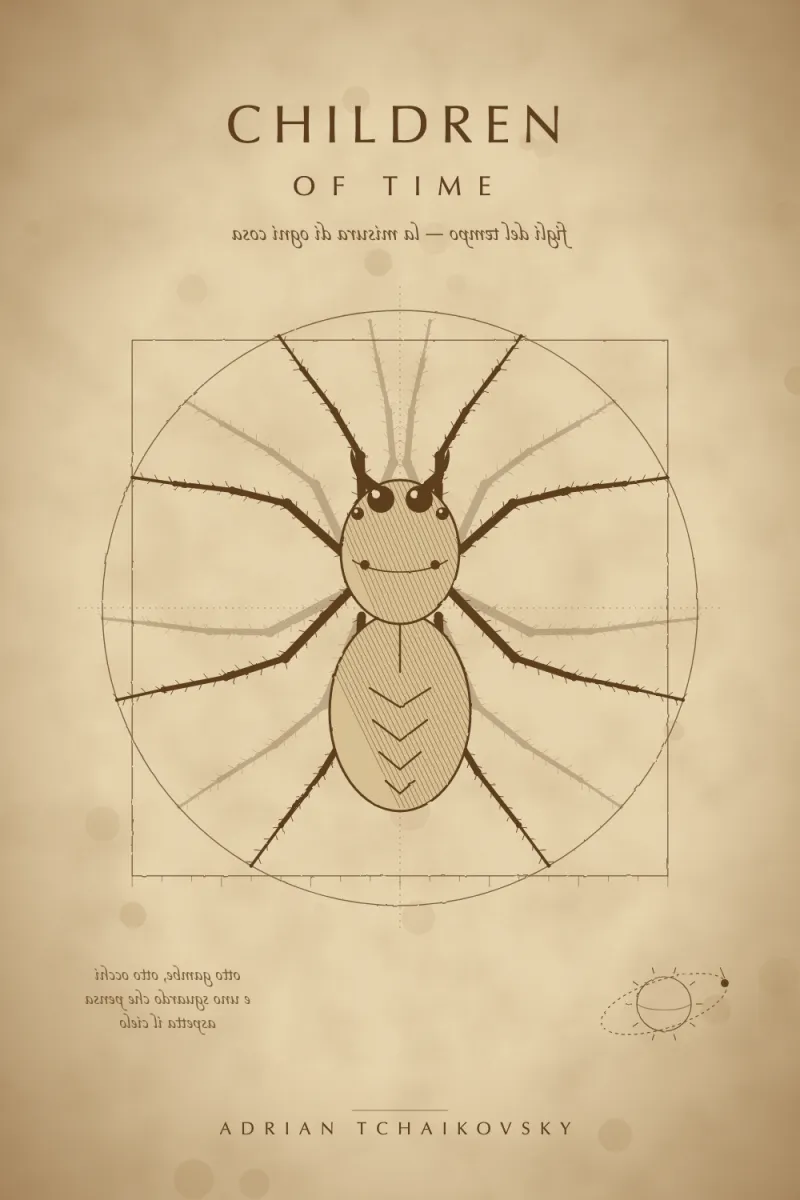
All reviews written by humansChildren of Time
Your rating:
★★★★★★★★★★
Synopsis · not our opinion
A science fiction novel spanning millennia, following the evolution of a civilization of genetically modified Portia labiata spiders on a terraformed exoplanet, and the journey of the last humans aboard the starship Gilgamesh seeking a new home after Earth's collapse. Winner of the 2016 Arthur C. Clarke Award and the 2023 Hugo Award for Best Series.
Reviews (1) · our opinion
N
NikolaiOctober 28, 2026
"Children of Time" struck me first of all not just with its interesting plot and philosophical thoughts about human civilization, but with its description of a world that managed to evolve over several thousand years due to a small mistake during an experiment. How the civilization of creatures completely unlike humans progressed, how—despite seemingly shared problems—completely different solutions emerged, along with their own alternatives in construction, "agriculture," and even programming. For me, this was a mind-expanding moment, a perspective from a completely different angle, because we, humans, could have evolved in just the same way. But while in terms of technological capability we might be able to reach the same heights (in those same 10, 20, or 100 thousand years), will we be able to remain human and not degrade emotionally?