
Find your next read
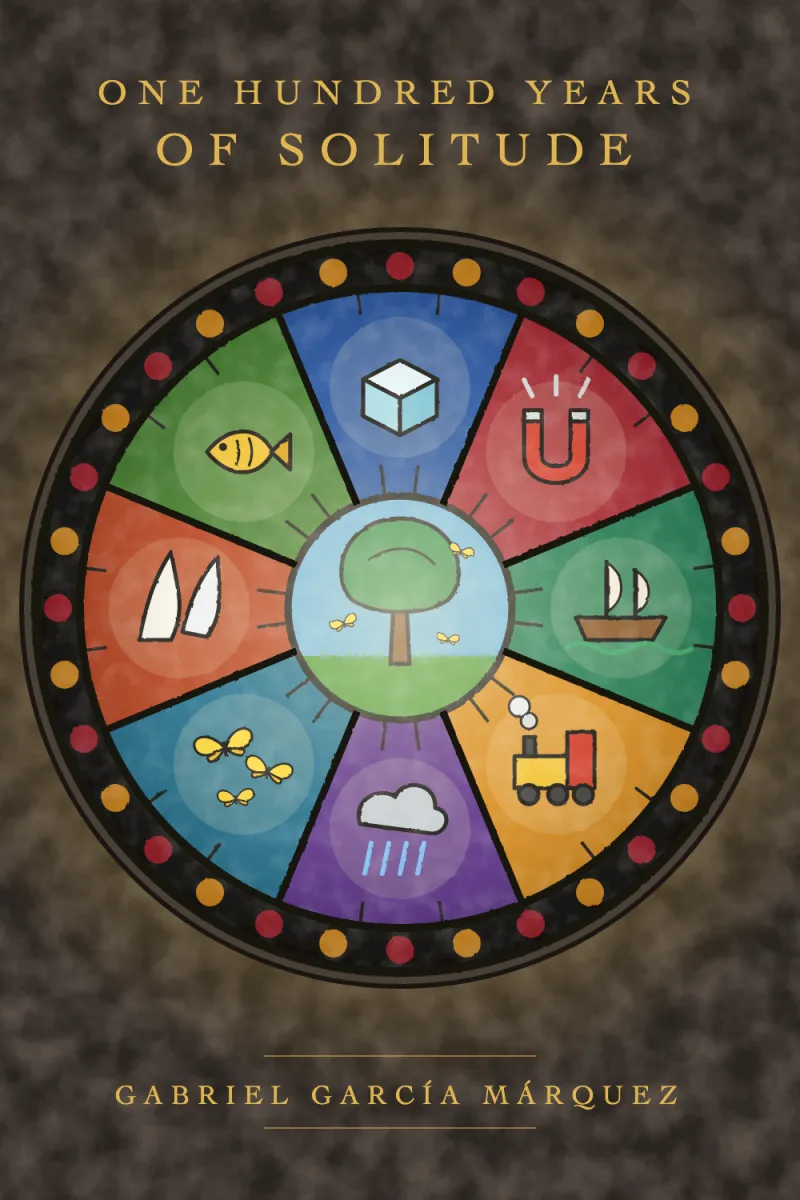
All reviews written by humansOne Hundred Years of Solitude
Your rating:
★★★★★★★★★★
Synopsis · not our opinion
Seven generations of the Buendía family in Macondo, a town founded in a swamp and visited by gypsies, ice, banana companies and a rain that lasts almost five years. Love, war and madness repeat themselves until the end. The great novel of magic realism.
Reviews (1) · our opinion
A
AliceOctober 28, 2026
I found this book in our dacha when I was twelve.
I was a lonely child and books were the thread that tied me to my parents. My father, whom I rarely saw, chose my reading with snobism and religious modesty: important classics, serious science. My mother let me read anything, she opened the world to me. Whatever she bought for herself, I carried off like a small animal to its burrow and read behind a closed door, with The Cure suffering endlessly in my headphones.
That was the year of The Exorcist, Anna Karenina, and, why not, One Hundred Years of Solitude.
To me it wasn’t a family saga. It was a dark fairy tale from some impossibly distant corner of the world, where the nightmare never ended. A girl sold by her own grandmother. A plague of sleeplessness, a disease that steals memory. A curse waiting to be born with a pig’s tail. Only the gypsies, with their magnets and ice and miracles, let in a little light.
(If you happen to be twelve, wait. It’ll keep.)
I reread it at twenty-seven, more than half a lifetime later, and this time I stepped inside a parable. About all of humanity. About each of us.
As a lonely child, I never felt the loneliness in it. Everything was sandy and golden, like a Colombian sky at sunset, magical and terrifying. As an adult, I saw Sisyphus and his stone, the wheel of time turning and turning, and a vast, devouring inability to love and to understand one another.
That is what our hundred years of solitude are built on. Every one of us.