Find your next read
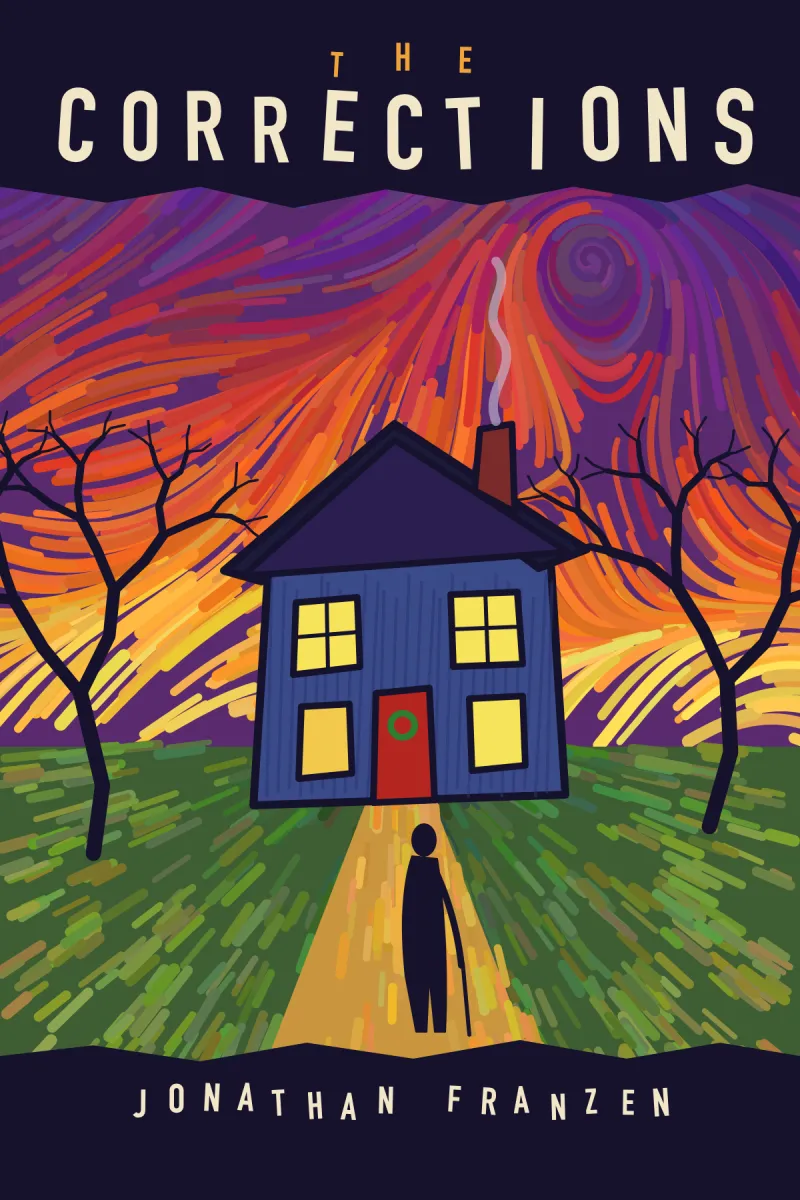
All reviews written by humansThe Corrections
Your rating:
★★★★★★★★★★
Synopsis · not our opinion
Jonathan Franzen’s The Corrections is a sweeping, brilliantly incisive, and emotionally complex family saga that dissects the fractures of the American middle class at the turn of the millennium. The story centers on Alfred and Enid Lambert, an aging Midwestern couple whose declining health and deeply ingrained marital tensions mirror the anxieties of a changing world. Eager to bring their three adult children—each grappling with their own distinct crises of career, relationships, and modern disillusionment—together for one final Christmas at home, Enid orchestrates a desperate plan for family reconciliation. Unflinchingly honest, bitingly satirical, and profoundly tender, this National Book Award-winning masterpiece is an unforgettable exploration of generational inheritance, parental regret, and the messy pursuit of forgiveness.
Reviews (1) · our opinion
A
AliceOctober 27, 2026
Well, that’s a big one. The Great American Novel, again.
There is a lot to admire here. Franzen is ambitious in a way few contemporary novelists dare to be: he takes one ordinary family and tries to fit an entire country into it, with its anxieties, its money, its politics and its quiet desperation. His eye for detail is merciless and often brilliant and some scenes are funny, sharp and painfully accurate. What I appreciated most is how the book exposes the parts of our lives that usually stay hidden. Sometimes, honestly, they stay hidden for the best. Maybe not all of it needed to be shown.
Still, I’m torn. I didn’t particularly enjoy the language and for me language is crucial. The plot wasn’t especially rich either. Some parts were so crude and vile that I wanted to crawl out of my skin and go get some fresh air.
Because it’s just so real. This isn’t Palahniuk’s twisted imagination dragging you through some grotesque nightmare. It’s closer to secondhand embarrassment: a cringe so intense it’s almost a physical spasm, like watching someone do something unbearably stupid. And sometimes it felt rather cheap. To me, at least.
What bothered me most was how predictable it all felt. Every character seemed built around a single flaw and you could see exactly where each of them was heading long before they got there. Franzen kept reaching for the same tricks: shock for the sake of shock, humiliation played for effect, awkwardness stretched until it stopped being uncomfortable and became simply tiresome. Instead of revealing something new about these people, the book kept poking the same sore spots, as if discomfort alone could stand in for depth.
And yet I can’t dismiss it. It’s a book that gets under your skin and stays there even when you’d rather it didn’t. That’s no small achievement.