
Find your next read
All reviews written by humansThe Dutch House
Your rating:
★★★★★★★★★★
Synopsis · not our opinion
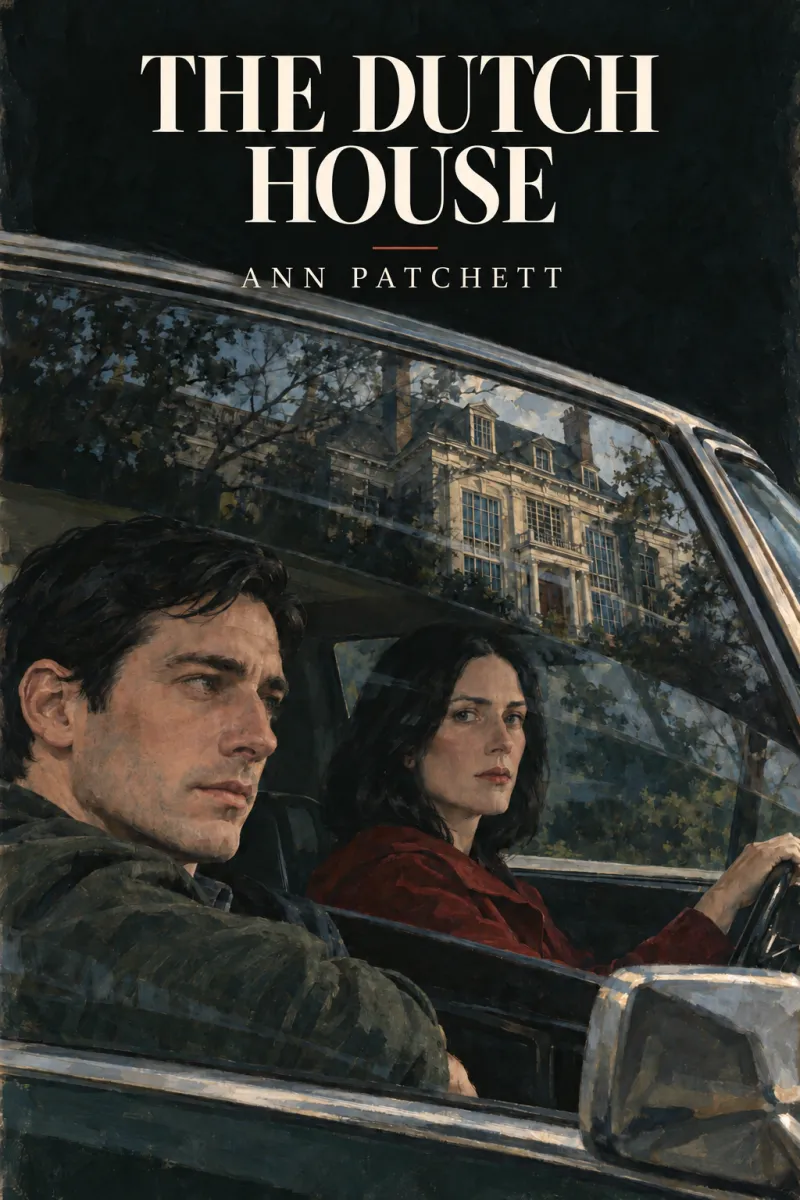
A finalist for the Pulitzer Prize, The Dutch House is a rich, beautifully spun family drama spanning five decades. At its center are Danny and Maeve Conroy, two siblings raised in an opulent, eccentric mansion in Pennsylvania. When their father dies suddenly, their calculating stepmother casts them out, leaving them with nothing but each other. Over the next forty years, as they build independent lives, the siblings find themselves helplessly drawn back to the physical house they lost, parking outside to obsess over their past. A masterfully written, compassionate story about the unshakeable bond between a brother and sister, the trap of nostalgia, and the long road to forgiveness.
Reviews (2) · our opinion
A
AliceOctober 16, 2026
This hurt.
No, really, why do we love the things that cause us so much pain so deeply?
Let me say this straight away: *The Dutch House* is my favorite book. One of two, perhaps. And for some reason, explaining why is terribly difficult. Maybe it’s like love: you list all these qualities of the person you love, one after another, but none of it feels like enough. None of it quite gets there. Everything you’ve said is true, but none of it explains anything.
For me, this is a story about two children whose very identity someone tried to take away. Thrown out of their home, with everything their lives had been erased along with it.
Not a single reliable thing to hold on to.
A mother who, in her desire to do good for the whole world, did terrible harm to those closest to her. A father who failed to protect them. A stepmother willing to do anything to grab a bigger share.
And a sister who devoted her life to her brother and to trying to right that wrong. A brother as attached to her as one deeply wounded person can be to another.
There is so much love in that bond that it hurts in its own right. They know things about each other that no one else could understand, remember another life, keep returning to their loss. And how do you let go of the past when it holds so much of what binds you to the person closest to you?
The most agonizing thing here is this: life goes on. You grow up, study, work, start a family of your own. And then you’re sitting in the car with your sister again, across from the house you were thrown out of, staring at someone else’s windows. Years have passed, but some part of you is still there, unable to understand, unable to forgive, and worst of all, unable to let go.
This is that Great American Novel that opens a window into other people’s lives, that makes you feel, and that, oh God, hurts. Almost physically, even though there are no scenes of violence, no extraordinary horrors.
It is impossible to convey my love for this book, impossible to describe it, reckless even to try. I reread what I’ve written: everything I’ve said is true, but none of it explains anything.
You simply have to feel it.
N
NikolaiJuly 21, 2026
Imagine sitting on the couch on a rainy evening, bathed in the warm glow of a lamp and wrapped in a cozy, comforting blanket. That’s exactly what the book *The Dutch House* has become for me. This feeling was enhanced by both Ann Patchett’s unhurried pace and the close family bonds between the main characters.
At the center of the narrative, like an unshakable mountain, stands the House; it is there that the characters come into their own, and it is the House that draws them back time and again. But unlike Chekhov’s "The Cherry Orchard", which constantly reflects the surrounding reality, the House is striking in its immutability, regardless of who owns it or how many balls and parties have been held there.
At the same time, "The Dutch House" is far from an easy read. It explores the complexities of family relationships from a wide range of perspectives: forgiveness, sacrifice, revenge, and the eternal choice between what you need and what your closest loved ones need. It makes you reflect on what your childhood was like, what kind of "India" your parents had, and whether you yourself have already crossed that line where you can no longer give your children enough care and love.