
Find your next read
All reviews written by humansThe Remains of the Day
Your rating:
★★★★★★★★★★
Synopsis · not our opinion
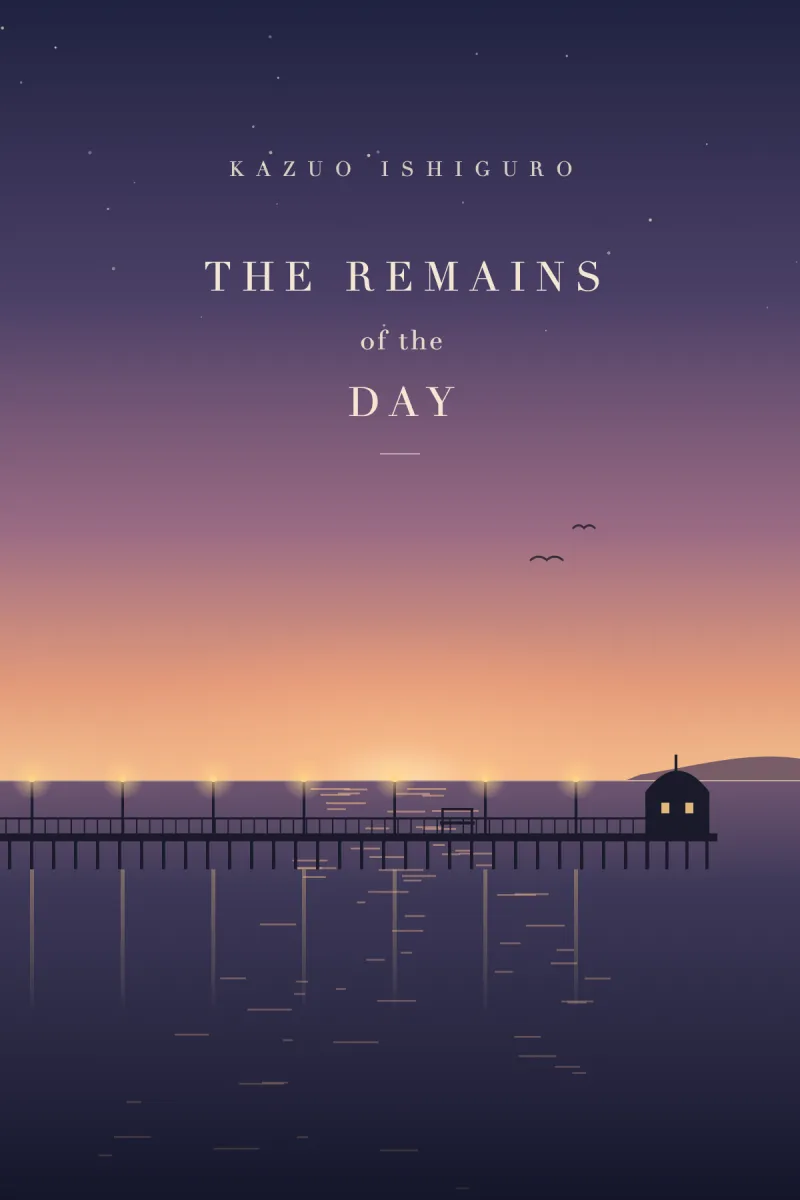
In this haunting, Booker Prize-winning masterpiece, an elderly English butler named Stevens embarks on a rare road trip across the British countryside in 1956. As he drives, his mind drifts back to the golden age of Darlington Hall in the 1920s and 30s—a time when he chose absolute professionalism over personal happiness, blindly serving an aristocratic master who was quietly aligning with the Nazis. Beneath his rigid, polite exterior lies a devastating realization about the love he let slip away and a lifetime of misplaced loyalty. A profoundly moving, quietly intense novel about regret, memory, and what is left when it is too late to change.
Reviews (1) · our opinion
A
AliceOctober 26, 2026
This book is brilliant in a way. Annoying as hell but brilliant.
It shows us the labyrinth of a mind of a person who deeply wants to serve. It seems built into him, ingrained and calling it a choice feels almost beside the point. He needs someone to follow, someone whose judgment can take the place of his own. And, preferably, someone he can admire.
Stevens.
Being a butler gives him an entire way of existing. There is a right way to do things, a person whose wishes matter and the comforting certainty that doing his job well means living his life well. An extraordinarily convenient arrangement until you start asking whom exactly that life has been spent serving.
Because obedience alone isn’t enough. He needs his master to deserve it. His dignity depends on the dignity of the man upstairs.
And then the sandcastle collapses. The man he admired, the man whose importance justified his own sacrifices, turns out to have lent himself to something appalling. How do you admit that without admitting what you gave your life to? How do you separate loyalty from complicity when loyalty is the finest thing you believe about yourself?
His new American employer offers no easy refuge. Too culturally unfamiliar, too far outside the world Stevens understands. You can employ a man, apparently, without giving him someone to belong to.
That is what makes this so painful to me: the desperate need to preserve an idea of your life when the life itself has already been spent. To keep polishing the silver because at least you still know how that is done. Than's what I, myself, might be doing right now. And all of us, at some point.